

Against the dual backdrop of accelerating global aging and a shortage of caregiving resources, a new foreign trade track is quietly emerging. On April 2, China Central Television (CCTV-2) aired its flagship program *Economic Half Hour* with a feature titled “Four Pillars of Stability, New Impetus: Foreign Trade’s New Explosive Hit,” offering an in-depth report on a rising force in China’s robotics industry going global. Among the featured enterprises, Shenzhen zuowei technology. (hereinafter referred to as “ zuowei technology”) stands out as a representative company in the eldercare robotics sector. Leveraging its accumulated expertise in intelligent care technology and global expansion, zuowei technology once again appeared on a top-tier state media outlet, epitomizing the overseas push of China’s high-end manufacturing.
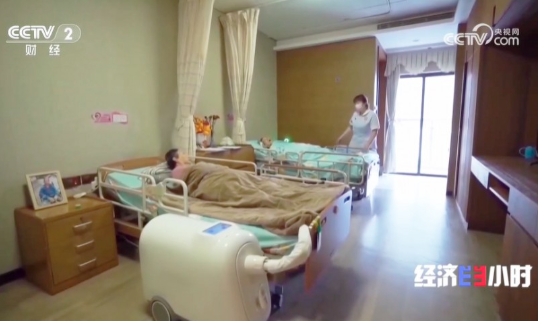
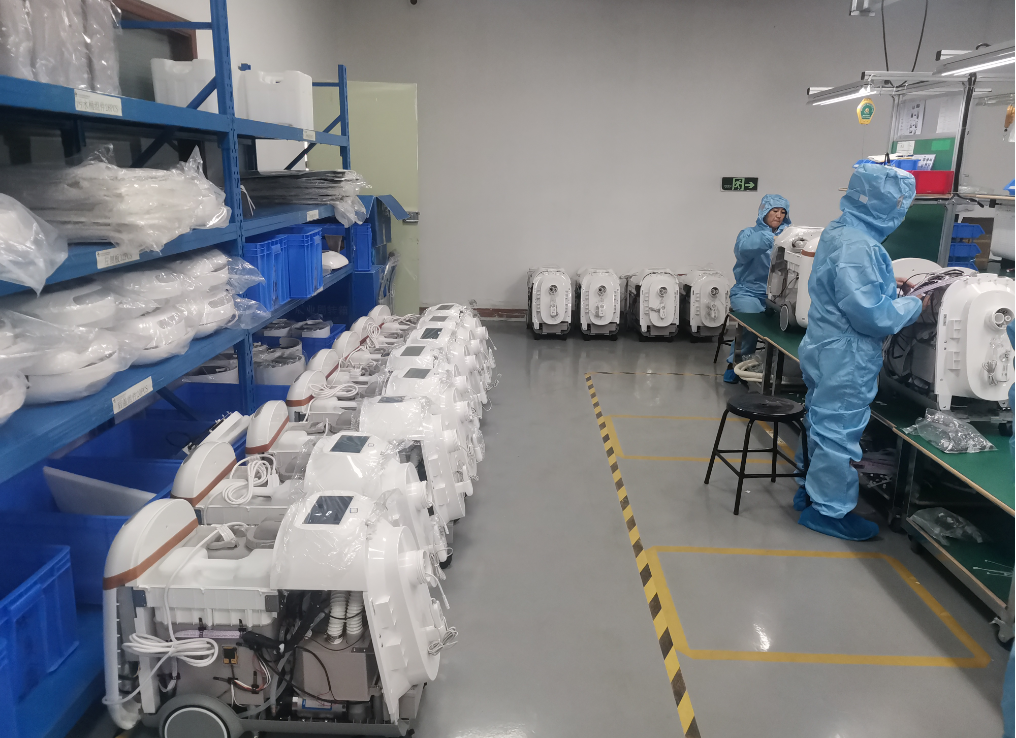
The report turned its lens on zuowei technology’s R&D and production frontline. Facing orders from overseas clients, the R&D team was fine-tuning a core product—the intelligent nursing robot for bowel and bladder care—to meet diverse usage standards across global markets. The product focuses on the most challenging aspect of caring for bedridden elderly: excretion care. According to the program, the robot is equipped with a micro-computer control system, user-friendly operating software, and a fully automatic intelligent sensing system. Once excretion is detected, it automatically initiates a complete process: “suction and removal of waste — warm water rinsing — warm air drying — sterilization and deodorization.” The entire procedure requires no manual intervention, reducing odor and infection risks while preserving the dignity and privacy of the elderly.
What is even more noteworthy is that zuowei technology has extended its product line into brain-computer interface (BCI) technology. Its brain-controlled intelligent nursing bed uses non-invasive signal acquisition to convert brain signals into machine commands, enabling adjustments such as back lifting, leg lifting, turning over, and massage. At the same time, it integrates excretion care functions including automatic waste removal, warm water rinsing, and deodorizing disinfection. This integrated design of “posture adjustment + excretion care” allows long-term bedridden users to control their body movements according to their own intentions, moving from “passive care” to “active volition.”
In terms of market presence, zuowei technology has achieved broad global coverage. Regions such as Europe, Japan, and South Korea face severe aging and acute shortages of caregivers, making the demand for eldercare robots extremely strong. zuowei technology’s products, precisely tailored to these needs, are highly favored in these markets. Meanwhile, in the past two years, zuowei technology has made significant breakthroughs in the Middle East and South American markets (Brazil, Argentina, etc.), which have become new engines for foreign trade growth.
zuowei technology currently holds over 300 intellectual property rights and has obtained international certifications such as the U.S. FDA and EU CE marks. In the CCTV report, these independent R&D achievements are highlighted as key to breaking overseas technology monopolies and securing a foothold in the silver economy wave.
This CCTV *Economic Half Hour* feature once again confirms the upgrading trend of China’s eldercare technology industry from “manufacturing” to “intelligent manufacturing.” As global aging continues to accelerate, eldercare robots are moving from niche innovation to a new export track. For Chinese companies like zuowei technology, how they drive overseas market expansion through technological innovation will determine their long-term position in the global silver economy.
Post time: Apr-08-2026


